
"Ethiopia alternative"
300 article(s) found

Introduction to the taste of coffee bean producing areas in Guatemala
The coffee beans in each producing area have their own characteristics, and they have won a lot of praise for Guatemala in the international community, especially the perfect coordination of the sour, sweet and mellow texture of Antigua; with a touch of smoke and a little more emphasis on its mystery, you will have a reason not to look for alternatives everywhere after tasting. Guatemalan coffee beans are mostly cultivated in high-altitude volcanic areas where the soil is the highest.
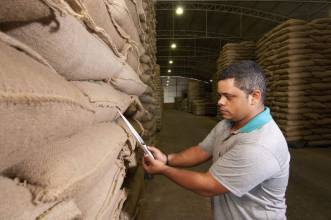
Three treatments of water washing, sun washing and semi-washing in Limu coffee producing area of Ethiopia
The coffee-producing region of Ethiopia is divided into east and west parts by the East African Rift Valley, with lakes, volcanoes, lowlands, plateaus and woodlands interlaced, each evolving. Ethiopia has the most diverse coffee ecosystem in the world (forest coffee, semi-forest coffee, pastoral coffee and plantation coffee), which also preserves its rich Arabica genes. The eastern half is mostly plateaus, coffee beans.

Barista barista basic concept sharing session: six conditions for becoming a barista
Professional coffee knowledge exchange more information about coffee beans Please follow the coffee workshop (Wechat official account cafe_style) holding a cup of coffee, walking on the way to work or class, is already the scenery of the city. If you are also a corner of the scenery and love the aroma of coffee, have you ever wondered whether, instead of drinking coffee made by others every day, you can one day become a coffee maker for others?

Bitter, fragrant and delicious Guatemalan coffee beans introduce the Atitlan producing area of the volcano area.
The coffee beans in each producing area have their own characteristics, and they have won a lot of praise for Guatemala in the international community, especially the perfect coordination of the sour, sweet and mellow texture of Antigua; with a touch of smoke and a little more emphasis on its mystery, you will have a reason not to look for alternatives everywhere after tasting. Guatemalan coffee beans are mostly cultivated in high-altitude volcanic areas where the soil is the highest.

Guatemala Antigua Flower God Coffee Bean Flavor description introduction of varieties produced by grinding scale
The coffee beans in each producing area have their own characteristics, and they have won a lot of praise for Guatemala in the international community, especially the perfect coordination of the sour, sweet and mellow texture of Antigua; with a touch of smoke and a little more emphasis on its mystery, you will have a reason not to look for alternatives everywhere after tasting. Here, the slopes of the Sierra Madre volcano are planted
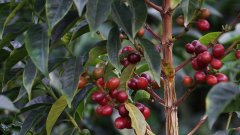
Limu Ethiopian grass and black sugar aroma fruit acid bright boutique coffee
The coffee-producing region of Ethiopia is divided into east and west parts by the East African Rift Valley, with lakes, volcanoes, lowlands, plateaus and woodlands interlaced, each evolving. Ethiopia has the most diverse coffee ecosystem in the world (forest coffee, semi-forest coffee, pastoral coffee and plantation coffee), which also preserves its rich Arabica genes. The eastern half is mostly plateaus, coffee beans.

A variety evolved from Arabica species & #61548; [Java] Java
For the exchange of professional baristas, please follow the coffee workshop (Wechat official account cafe_style). A variety evolved from the Arabica species [Java] Java originally came from the coffee forest in Ethiopia and was then brought to Indonesia for seed selection, so it was named Java. It was then sent to Cameroon for further selection of variety vigor and tolerance to berry disease. Genetic fingerprinting of molecular markers refers to

Introduction to the quality characteristics of coffee flavor description and treatment in Ethiopia
Readers of Ethiopian Coffee who are interested in Ethiopian boutique beans can pay more attention to the producing areas of Sidamo, Yegashifi (especially rare sun-dried beans), Harald, Lim and Jinbi, whose strong orange and floral aromas are different from those of Central and South American beans. Ethiopia is a treasure trove of coffee genes. Experts estimate that there may be more than 2,000 Arabica subspecies hidden in Ethiopia.

Brief introduction to the treatment method of grinding degree and baking degree of Kaddura boutique coffee beans with obvious aroma in Nicaragua
The coffee beans in each producing area have their own characteristics, and they have won a lot of praise for Guatemala in the international community, especially the perfect coordination of the sour, sweet and mellow texture of Antigua; with a touch of smoke and a little more emphasis on its mystery, you will have a reason not to look for alternatives everywhere after tasting. Guatemalan coffee beans are mostly cultivated in high-altitude volcanic areas where the soil is the highest.
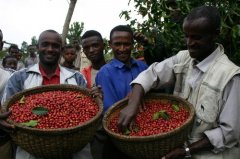
Jasmine tea, which is preferred by Ghimbi growers as a composite bean material, is fragrant and bitter
Ethiopia's coffee-producing areas are divided into east and west parts by the Great Rift Valley. Lakes, volcanoes, lowlands, plateaus and woodlands alternate and evolve independently. Ethiopia has the most diverse coffee ecosystem in the world (forest coffee, semi-forest coffee, pastoral coffee and plantation coffee), which also allows it to preserve its rich Arabica genes. The eastern half is mostly plateau, coffee beans

Introduction of Yega Xuefei Adado (Adado) Cooperative introduction of the flavor characteristics of Yega Xuefei coffee
Professional coffee knowledge exchange more coffee bean information please follow the coffee workshop (Wechat official account cafe_style) there are eight major producing areas in Ethiopia: Ekempti, Limu, Illubabor, Djimma, Harrar, Teppi/Bebeka, Sidamo, Yirgacheffe. Yirgacheffe is located in the Gedeo region of southern Ethiopia.

What brand of Ethiopian coffee do you recommend? Ethiopian coffee cultivation is in the right place at the right time.
Professional coffee knowledge exchange more coffee bean information please follow the coffee workshop (Wechat official account cafe_style) front street-Ethiopia Coffee introduction different coffee producing areas are different in variety and climate, the coffee cultivation, harvest, treatment and processing processes are also different, so the resulting coffee has its own flavor. When choosing and tasting coffee

What is the price of Essel coffee beans? is it expensive? how should I drink Essel coffee powder?
Professional coffee knowledge exchange more coffee bean information please follow the coffee workshop (Wechat official account cafe_style) Ethiopia although Ethiopia is an underdeveloped country in northeast Africa, but this country is a world-famous coffee producer. Ethiopia has the most diverse coffee ecosystem in the world (forest coffee, semi-forest coffee, pastoral coffee and

What kind of education do you need to learn to make coffee? Is it better to learn to make coffee and go to a chain coffee shop or an independent coffee shop?
Professional coffee knowledge exchange more information about coffee beans Please follow the coffee workshop (Wechat official account cafe_style) holding a cup of coffee, walking on the way to work or class, is already the scenery of the city. If you are also a corner of the scenery and love the aroma of coffee, have you ever wondered whether, instead of drinking coffee made by others every day, you can one day become a coffee maker for others?

Characteristics of several major coffee producing areas in Ethiopia introduction of varieties describing the flavor of manor beans
Ethiopian coffee bean flavor description taste Yilu Babo (bulk commercial bean producing area): 1350-1850 above sea level | Forest / semi-forest coffee system | this area is located in the west of Ethiopia, bordering Sudan, and is the most convenient producing area in the west. the complexity of coffee gene is only lower than that in Kafa forest, and the bean grain is significantly larger than Yerjasuffi and Sidamo, with low acidity and good viscosity.

What's the flavor of Indian-style coffee? How can the Indian monsoon Malaba taste good?
Professional coffee knowledge exchange more information about coffee beans Please pay attention to the coffee workshop (official Wechat account cafe_style) Coffee has become the first drink in the world only 1600 years later, so the recorded history of coffee is only 400 years similar to that of Taiwan. It is generally recognized that Africa is the home of coffee, originated in Ethiopia and spread around the world from the port of Mocha in Yemen.

Ethiopian Coffee Bean Story the characteristics and flavor of coffee beans native to Yegashifi and Sidamo
Professional coffee knowledge exchange more coffee bean information Please follow the coffee workshop (Wechat official account cafe_style) when we talk about coffee in Ethiopia, some people will use the words jasmine, rose fruit, magnolia and other words to describe the smell of flowers, but have you ever wondered why these specific varieties with floral flavor are often summed up as "native species"? In the third wave

Ethiopian Sidamomo Coffee Taste characteristics and quality characteristics treatment method Grinding degree extraction time
Ethiopian Blue Mountain Coffee: originated in Jamaica, named after the Blue Mountains surrounded by the Caribbean Sea. Sour, sweet, bitter taste are very harmonious and have excellent flavor and aroma, suitable for individual coffee, suitable for moderate roasting. Java coffee: Origin: Sumatra, Indonesia. It belongs to Arabica. After baking, the bitter taste is extremely strong and the aroma is very light, without sour taste. Conna Coffee: production

Mainly produces Brazil Sao Paulo Sidamo guji coffee beans
Sweet, sour and bitter are neutral, moderately sour, special and elegant. Mocha Coffee: Origin: Ethiopia has a unique aroma, moderate roasting has a soft sour taste, deep roasting gives out a strong aroma, occasionally used as a blend. Brazilian coffee: Origin: Brazilian sour and bitter taste can be mixed by baking, moderate roasting soft flavor, moderate taste, deep

Fruit acid Bright Ethiopian coffee estate producing area Flavor Taste characteristics Variety Brand introduction
Ethiopia's coffee-producing areas are divided into east and west parts by the Great Rift Valley. Lakes, volcanoes, lowlands, plateaus and woodlands alternate and evolve independently. Ethiopia has the most diverse coffee ecosystem in the world (forest coffee, semi-forest coffee, pastoral coffee and plantation coffee), which also allows it to preserve its rich Arabica genes. The eastern half is mostly plateau, coffee bean mouth